Featured
UN Joint SDG Fund: Diverse Innovation Portfolio for Acceleration of the Sustainable Development Goals
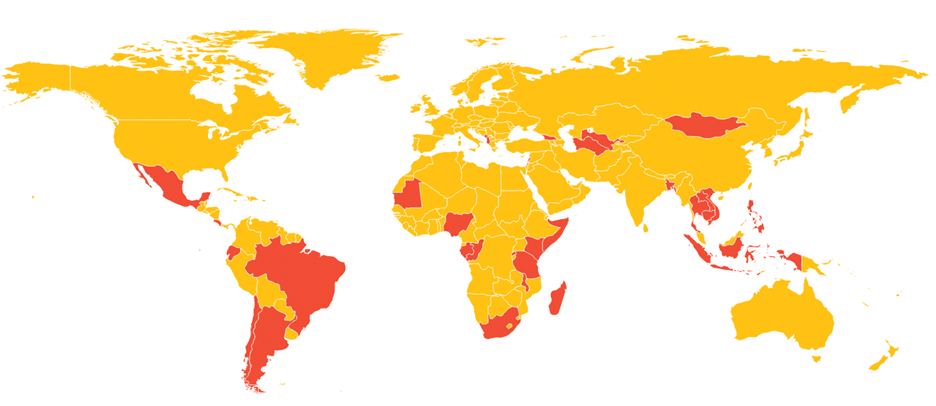
As the strategic instrument for galvanizing acceleration of the progress on Sustainable Development Goals (SDGs), the Joint SDG Fund invested USD 70 million, and mobilized USD 32 million in co-funding, into a portfolio of 39 countries on integrated policy solutions for social protection to Leave No One Behind (LNOB).
The catalytic investment will deliver transformative results at scale by 2022 through enabling innovation, local leadership and ownership, and sustained efforts towards transformative results. The joint programmes’ theories of change are predicated on the assumption that actions taken at the individual, household and community levels will lead to movements out of poverty by creating a multiplier effect across different SDGs.
The systemic impact of the portfolio manifests in social services, childcare, employment, social cohesion, health care, education and pension systems. The investment prioritizes the most vulnerable and all joint programmes put gender equality and women’s empowerment at the forefront of policy innovation.
To learn more about the catalytic investment into the first portfolio of the Joint SDG Fund check Design and Development and Managing and Learning.
Thought piece

New Policy Direction for 2030: the Sustainable Development Goals
Canadian Government Executive (Vol 23; Issue 1; Jan 2017
SDGs open a new chapter in Sustainable Development
- Crafted in a manner that integrates economic prosperity and social development while moving towards preserving environmental viability, the SDGs are a bold collective move to address the root causes of poverty, social injustices and environmental degradation.
The need for integrated policy and interactive governance
- Integrated policy for coherent sustainable development cannot be provided for by fragmented governance divided into conventional sectors and industries, and split between international and national policy domains.
The opportunity for strategic reorganization and reorientation
- National SDG strategies tend to follow the MAPS Framework. Mainstreaming into national policy Agenda (M) is followed by Acceleration (A) focusing on key leverage points for impact and accompanied by integrated Policy Support (PS).
Related reports (selected)
- Mid-Term Evaluation: Enabling responsive, coherent and inclusive support to the implementation of the 2030 Agenda for Sustainable Development”, UNDP, 2018
- Proposal for the Theory of Change and Results Framework, UNDOCO, 2018
- Delivering Results Together Fund: Global report on Results, Lessons, and Recommendations, UNDOCO, 2015-2017
- Mid-term Review of the Regional Hub for Civil Service, ACSH, 2016
- Policy, Planning, and Implementation, Foreign Investors Council, 2014
 Interactive Design